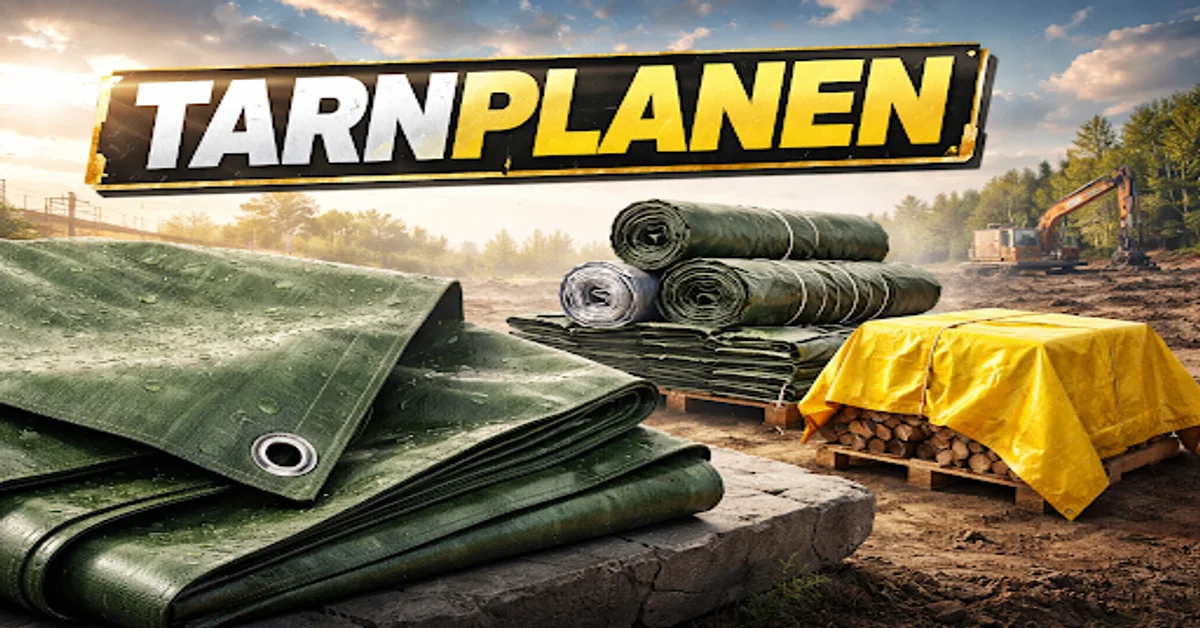
Tarnplanen are more than a piece of fabric — they’re a simple, proven tool that delivers concealment, shelter, and protection in one compact package. Whether you’re a soldier reducing visibility in the field, a hunter creating a photography hide, or a camper wanting low-profile shelter, a well-chosen camo tarp transforms basic gear into tactical advantage. This guide gives you field-tested techniques, buying wisdom, and maintenance tips so you can use your tarnplane confidently and responsibly.
You’ll learn what tarnplanen are, how they evolved from military kit into everyday outdoor gear, which materials and patterns work best in specific environments, and step-by-step pitching and camouflage techniques. Expect clear pictures in words, checklists you can act on immediately, and short case examples to spark ideas.
RELATED: Oncepik: Boost Productivity and Teamwork
What is a tarnplane (tarnplanen): definition & quick uses
The term tarnplanen stems from German: “tarn” (camouflage/concealment) + “plane” (tarp or sheet). In practical use, a tarnplane is simply a camouflage tarp or camo tarp designed to blend gear or shelters into natural surroundings. It’s a multi-purpose tool: a concealment tarp, a survival shelter, a groundsheet, or a vehicle cover when required.
Core uses include overhead concealment against aerial observation, low-profile shelters for stealth camping or hunting blinds, and weather protection for gear. A quick example: stretch a flecktarn tarp over a low A-frame with vegetation pinned to the seams — you get a near-invisible field observation post that also sheds rain.
A brief history & evolution of camouflage tarps
Camouflage tarps began in military practice where blending equipment and positions into the environment became essential to survivability. From the early painted canvas tarps, forces refined patterns and materials; lightweight synthetic fabrics replaced heavy canvas, improving packability and weather performance. Military organizations like the Bundeswehr pioneered patterns such as Flecktarn that spread into civilian hunting and outdoor markets.
As NATO-standardized concealment doctrine matured, modern camouflage systems evolved to include modular tarps, netting, and IR-compliant materials. Commercial brands adapted these advances for outdoor users, producing patterns like Multicam that work across multiple terrains. Today, you can buy everything from military surplus tarps to purpose-built waterproof camo tarps and tactical tarps for civilian use.
Types & materials: choose the right tarnplanen
Selecting the right tarnplanen starts with material. Common fabrics include lightweight ripstop nylon (packable, good for year-round hikers), polyester with PU or silicone coatings (excellent waterproofing and UV resistance), and heavier canvas blends (durable, quieter in wind, but bulky). Coated fabrics determine water performance: PU coatings offer strong waterproofing at lower cost; silicone gives superior tear strength and packability.
Important features to compare are waterproof rating (hydrostatic head), ripstop weave, seam sealing, and grommets/tie-down points. A tarp with well-reinforced grommets and spaced loops allows secure low-profile tie-downs and modular configurations. Weight matters: ultralight tarps pack small but sacrifice abrasion resistance; heavy-duty camo tarps are battle-tested for long-term field use. Think “mission first”: for brief recon or photography hides, go light; for vehicle camouflage cover or communal shelter, choose heavy-duty.
Practical uses & real-world examples
Tarnplanen excel in military concealment: covering vehicle profiles, constructing low-signature observation posts, and masking supply caches. For instance, small reconnaissance teams may use a flecktarn tarp to break vehicle outlines and avoid aerial detection. Tactical doctrine from alliance-level exercises emphasizes modular concealment — tarps used with netting and terrain features to minimize signatures.
Hunting and wildlife photography use camo tarp techniques to build hides that reduce movement and scent exposure while providing quick deployment and shelter. Survivalists rely on tarpaulin camouflage for lightweight bivouacs and emergency shelters that are both protective and discreet.
Mini case studies:
- Recon Team: Used a medium flecktarn tarp as overhead concealment, reinforced with grommeted cords and natural foliage — result: maintained observation position for 36 hours with minimal detection.
- Hunter/Photographer: Built a low-profile lean-to with a UV-resistant camo tarp, reducing glare and improving concealment for close-range wildlife shots.
- Campers in Mountain Weather: Combined a heavy-duty camo tarp with a breathable inner liner to create a windproof shelter that shed snow while avoiding condensation buildup.
- How to pitch and camouflage a tarnplanen — step-by-step fieldcraft
Successful pitching is about low signature, drainage, and durability.
Choose location: Pick natural contours and cover — behind bushes, below tree line, or shadowed rock faces. Avoid ridgelines that silhouette you.
Basic rigs:
- Lean-to/Tarp lean: Anchor one long edge to a ridge line or branch, stake the opposite edge low to the ground. Works great for single-person shelters and quick hides.
- A-frame: Tie a ridge cord between two supports, drape the tarp over and stake both sides. Provides good rain shedding and headroom.
- Low-profile shelter: Create a shallow A-frame close to the ground for minimal profile; use natural debris on top for added camouflage.
- Overhead concealment techniques: For aerial observation, create an irregular surface. Stretch multiple tarps in staggered layers, overlay camo netting, and weave live foliage into the netting. Keep reflective surfaces like zippers and buckles covered. Break up straight lines — edges are what catch the eye from above.
- Low-signature tie-downs and knots: Use low-visibility paracord and avoid bright cordage. Anchor to natural features whenever possible — rocks, root anchors, or buried stakes. Use the trucker’s hitch for adjustable tension and taut lines that shed rain. Knot recommendations: trucker’s hitch for tension, taut-line hitch for adjustable guy-lines, and figure-eight for quick anchoring.
- Combining tarps and camo nets; drainage and ventilation tips: Layer a breathable, lighter tarp beneath an outer waterproof tarnplane to reduce condensation. Create small ventilation gaps on the leeward side to allow airflow. Add drainage by angling tarps to direct water off; avoid pooling by installing a slight crown or using ridge lines.
- Weatherproof pitching for heavy rain and snow: Steeper angles and overlapping seams help shed snow and rain. Reinforce grommets with extra cordage and place load distribution patches if wind is expected. In snowy conditions, bury the lower edge or create snow collars to prevent uplift.
Quick troubleshooting checklist:
Wind: lower profile, add more tie-downs, use natural windbreaks.
- Pooling water: increase slope, add centerline support, reseat sagging edges.
- Visibility: add more natural foliage, adjust color layering, remove glints from hardware.
- Fieldcraft is learned through practice — run quick drills: set up a low profile tarp in 5 minutes, then rebuild it under simulated wind and rain to test durability.
DIY modifications & maintenance tips
Small modifications dramatically improve durability. Sew in webbing loops at midpoints to add tie-down versatility. Reinforce grommets with patches (nylon or canvas) to prevent tearing under tension. Add Velcro tabs to connect multiple tarps for modular shelters or to attach lightweight gear.
Patching tears is straightforward: clean the area, use fabric repair tape on both sides for small rips, and stitch larger tears with ripstop patches and waterproof seam sealant. Reseal seams yearly or after heavy use — silicone or PU seam sealers restore waterproofing.
Washing: use mild soap and cold water; avoid harsh detergents and machine drying that degrade coatings. Dry fully before storage to prevent mildew. Store folded loosely in a breathable bag in a cool, dry place — avoid prolonged UV exposure which weakens fibers.
Buying guide & checklist: what to look for
Size guide: Determine purpose. Vehicle camouflage cover tarps (>4×6 m) cover small SUVs; medium tarps (~2×3 m) suit two-person shelters and hides; small tarps (~1.2×2.2 m) serve as bivvy covers. Measure your gear or vehicle silhouette before buying.
Key specs:
Material (nylon vs polyester vs canvas) — nylon for ultralight, polyester for cost-effective weather resistance, canvas for durability.
- Grommet spacing — tighter spacing gives more secure anchoring options.
- Packability & weight — critical for hiking; less so for vehicle-based setups.
- Pattern match — pick flecktarn or woodland for dense forests; desert camo for arid regions.
- Waterproof rating and seam sealing — check hydrostatic head numbers and whether seams are taped.
Price vs durability: Budget tarps can be useful for occasional use; invest in heavy-duty camo tarps for frequent or mission-critical use. Trusted suppliers and brands reduce risk — consider military surplus for rugged gear, or buy new from reputable gear companies like Rothco, 5.11 Tactical, or outdoor brands such as Berghaus for camping-specific variants.
When shopping online, scrutinize product photos for grommet quality, hem reinforcements, and fabric texture. Look for clear size dimensions and real-world use photos.
Legal, safety & ethical considerations
Camouflage use can raise legal and safety flags in public spaces — avoid using tarnplanen near airports, government buildings, or crowded public events where concealment could cause alarm. Be aware of local hunting laws and seasons; some jurisdictions restrict concealment methods for certain game. Always use camouflage responsibly and clearly communicate with nearby authorities or landowners when operating in sensitive areas.
RELATED: Boeing Drafting Room: Precision and Innovation
Frequently Asked Questions
What does tarnplanen mean?
A camouflage tarp designed for concealment and shelter.
Can I use a tarnplane for camping?
Yes — great for low-profile shelters and weather protection.
How do I clean a tarnplane?
Hand wash with mild soap, air dry completely before storage.
What pattern is best?
Match the dominant terrain: flecktarn/woodland for forests, desert for arid areas.
Are camouflage tarps legal?
Usually yes, but avoid sensitive public places and follow hunting regulations.
How do I repair tears?
Use fabric repair tape for small tears; sew and reseal for larger damage.
Summary
Tarnplanen are simple, tactical, and transformative — the right camo tarp extends capability whether you’re on a mission, in the field for a hunt, or enjoying the outdoors. Download the compact checklist below, compare models using the specs table suggested earlier, and run practice setups so your next shelter or concealment job is fast, robust, and low-profile. Ready to choose yours? Start with the size guide and pick the material that fits your mission.