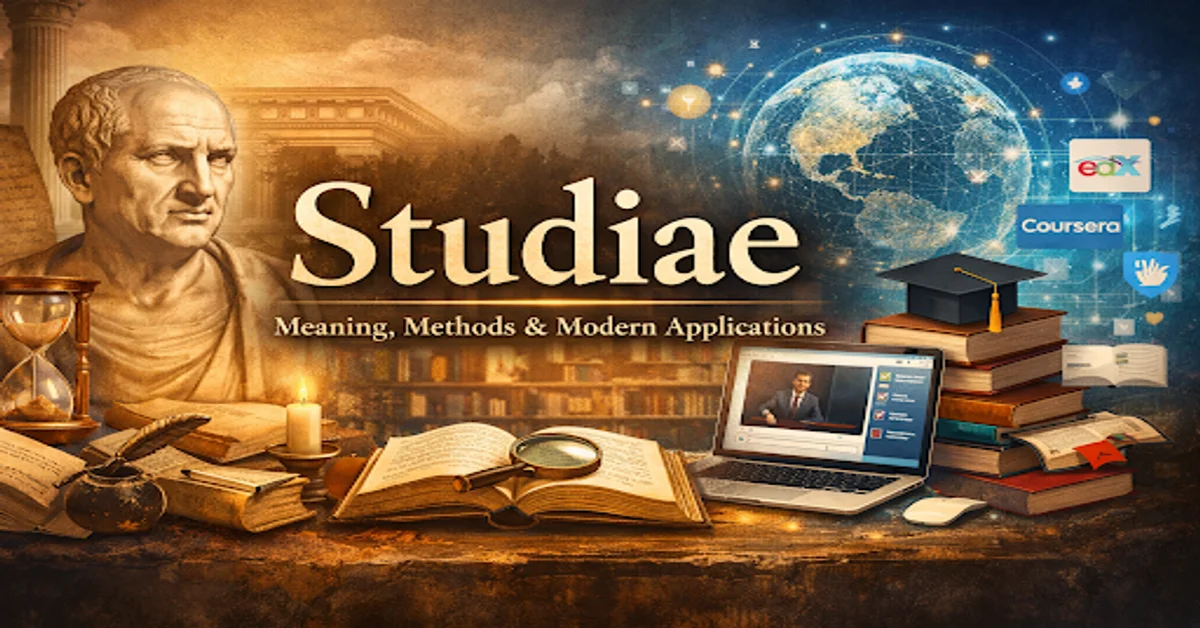
Studiae is a concept rooted in Latin, symbolizing dedicated study, intellectual curiosity, and scholarly pursuit. Historically, the term reflects a deep commitment to learning and self-improvement, emphasizing both discipline and passion for knowledge. Its essence goes beyond mere rote memorization—it is about cultivating a mindset of lifelong learning, reflective thinking, and academic discipline.
The definition and Latin origin of studiae link directly to the word studium, which embodies zeal, dedication, and enthusiasm for learning. In classical times, it was considered a cornerstone of intellectual life, guiding scholars, philosophers, and leaders toward a path of informed and purposeful engagement with knowledge.
In modern education, studying studiae helps learners not only acquire information but also develop critical thinking, deep work, and effective study habits. By embracing its principles, students, educators, and professionals can foster self-directed learning and achieve meaningful outcomes in both personal and academic spheres.
RELATED: Kompama: The Ultimate Online Community Platform
The Meaning and Origin of Studiae
Latin Root: Studium
The word studiae stems from the Latin studium, which broadly refers to dedicated effort, scholarly zeal, and passionate engagement in intellectual pursuits. In the classical world, studium encompassed the desire to seek knowledge, refine the mind, and cultivate wisdom, often forming the basis of a humanistic education.
Unlike casual learning or surface-level study, studiae emphasizes deliberate practice, structured routines, and reflective engagement. It aligns closely with the modern idea of focused study, where deep attention and thoughtful inquiry take precedence over mere accumulation of facts.
Historical Context in Roman Education
In Roman society, studiae were integral to the formation of educated citizens. Figures such as Marcus Tullius Cicero exemplified the power of disciplined study, using studium to develop rhetoric, philosophy, and civic responsibility. Roman educators prioritized classical education and liberal arts study, believing that a well-rounded mind was essential for leadership and civic engagement.
By cultivating intellectual curiosity through studiae, scholars developed the analytical and reflective skills needed to navigate complex social and political landscapes. Over time, this approach influenced medieval educational systems and the development of humanistic studies across Europe.
Connection to Scholarly Pursuits and Intellectual Curiosity
At its core, studiae fosters scholarly pursuit and curiosity. It encourages learners to approach knowledge with passion, discipline, and a sense of purpose. This philosophy remains relevant today, guiding students and professionals toward meaningful engagement with academic disciplines, e-learning platforms, and practical applications of knowledge.
By embracing studiae, learners not only gain expertise but also cultivate lifelong habits of inquiry, reflection, and intellectual growth.
Studiae in Classical and Medieval Education
Examples from Roman Scholars (e.g., Cicero, Seneca)
Roman thinkers like Cicero and Seneca embodied studiae in their intellectual and public lives. Cicero, through his works on rhetoric and philosophy, demonstrated how disciplined study could shape public discourse and ethical reasoning. Similarly, Seneca’s writings on stoicism reflected a commitment to self-directed learning and reflective practice, hallmarks of studiae philosophy.
These scholars emphasized deliberate practice and structured routines as essential to intellectual mastery. Their approach went beyond memorization, integrating ethical, civic, and philosophical inquiry with focused study techniques.
Role of Studiae in Liberal Arts and Humanistic Studies
During the medieval period, studiae influenced liberal arts education across Europe. The quadrivium and trivium—core elements of classical curriculum—embodied principles of studia, blending logic, mathematics, rhetoric, and philosophy. Students were encouraged to cultivate deep intellectual curiosity and engage in reflective learning.
Humanistic studies, inspired by classical scholarship, continued the tradition of studiae as a pathway to holistic education. By merging ethics, critical thinking, and literary study, learners were equipped with tools to navigate social, political, and moral challenges.
How Studiae Shaped Early Educational Systems
Studiae formed the philosophical backbone of early educational systems, emphasizing academic discipline, structured routines, and self-directed inquiry. This legacy shaped universities and schools, encouraging a culture of dedicated study and scholarly pursuit that persists in modern pedagogy.
From classical libraries to modern classrooms, the influence of studiae ensures that learning is not just transactional but transformative, cultivating both skill and character.
Studiae vs Studium: Understanding the Difference
Definitions and Subtle Distinctions
While studium refers broadly to dedication or zeal for learning, studiae represents its application across structured studies, disciplines, and practices. Studium is the individual drive; studiae is the broader framework of study, encompassing methodology, curriculum, and sustained engagement.
Understanding this distinction helps learners and educators differentiate between passion for knowledge and methodical, disciplined study, both essential for effective education.
Practical Implications for Learning Today
In contemporary education, applying studiae means embracing self-directed learning, structured routines, and deliberate practice. Unlike casual learning, it emphasizes measurable outcomes, reflective practice, and integration of knowledge across multiple disciplines.
Students and professionals who adopt studiae principles are better equipped for long-term success, intellectual growth, and meaningful contribution to society.
Why Studiae Matters in Modern Education
Promoting Deep Work and Focus
Studiae encourages deep work, a state of focused and distraction-free study that enhances comprehension, creativity, and retention. By prioritizing quality over quantity, learners develop mastery in subjects ranging from liberal arts study to specialized technical disciplines.
Encouraging Lifelong Learning
In a rapidly changing world, studiae underpins lifelong learning, empowering individuals to continually adapt, acquire new skills, and engage meaningfully with knowledge. Platforms like Coursera, Khan Academy, and edX make it easier than ever to practice studiae study methods in modern contexts.
Role in Self-Directed and Reflective Learning
Through studiae pedagogy, learners take ownership of their education, combining reflective learning with structured practice. This approach builds intellectual curiosity and fosters analytical thinking, preparing students for complex problem-solving in academic, professional, and personal spheres.
Applying Studiae: Practical Study Techniques
Developing Disciplined Study Habits
Effective studiae study methods start with disciplined habits. Setting clear goals, creating a study schedule, and eliminating distractions are foundational steps. Learners should cultivate study routines that integrate review, practice, and reflection consistently.
Time Management and Productivity Strategies
Using tools like planners, timers, and productivity apps, students can structure their time to maximize focused study. Techniques such as Pomodoro sessions, batching tasks, and prioritizing high-impact activities align with studiae philosophy to ensure deep engagement.
Techniques: Spaced Repetition, Active Recall, Deep Wo
Online Courses and MOOCs: Coursera, edX, Khan Academy
Digital platforms embody studiae in education, providing access to structured, high-quality content. Coursera and edX offer courses from universities worldwide, while Khan Academy delivers free learning resources to students of all ages, fostering lifelong learning and self-directed study.
Learning Management Systems: Moodle
Moodle exemplifies the application of studiae pedagogy in institutional settings. Its LMS framework supports reflective learning, course customization, and collaborative engagement, enabling educators to design structured study pathways for diverse learners.
Apps and Tools for Reflective and Focused Learning
Modern learners can enhance studiae practice with apps that track progress, organize notes, and support deep work. Tools like Notion, Anki, and Todoist integrate with educational platforms, providing seamless systems for study habits and routines.
Case Studies: Studiae in Action
Examples from Schools or Universities
Several institutions have integrated studiae principles into curricula, promoting inquiry-based learning, deliberate practice, and reflective assignments. For example, liberal arts colleges incorporate cross-disciplinary projects to cultivate humanistic studies and critical thinking.
How Students and Professionals Apply Studiae Principles
Students apply studiae methods through structured study plans, project-based learning, and consistent reflection. Professionals adopt the philosophy to improve productivity, mastery of technical skills, and lifelong learning, translating classical principles into modern success.
Success Stories and Measurable Outcomes
Research shows that learners embracing studiae pedagogy achieve higher retention, enhanced problem-solving, and greater satisfaction. Success is measurable through improved grades, completed certifications, and demonstrable skill acquisition, validating studiae’s enduring relevance.
Common Mistakes When Practicing Studiae
Overloading Information
A common pitfall is attempting to learn too much at once. Studiae emphasizes depth over breadth, focusing on mastery and understanding rather than superficial knowledge accumulation.
Distraction and Lack of Focus
Distractions undermine deep work. Effective studiae practice requires creating environments conducive to focus and minimizing interruptions from digital devices or multitasking.
Misinterpreting Studiae as Rote Memorization
Studiae is not about memorizing facts blindly; it’s about engagement, reflection, and application. Learners must integrate understanding, analysis, and critical thinking to align with the true spirit of studium.
Measuring Your Progress with Studiae
Setting Goals and Tracking Achievements
Goal-setting is essential in studiae pedagogy. Clear objectives provide direction, while tracking tools help assess progress. Reflective journaling and milestone evaluation reinforce commitment to learning.
Assessment Tools for Self-Directed Learning
Using quizzes, projects, and self-assessment frameworks, learners can evaluate mastery and identify areas for improvement. Platforms like Coursera and edX offer robust assessment tools aligned with studiae methods.
Reflective Journaling and Learning Analytics
Reflective journaling encourages learners to analyze successes and challenges, cultivating intellectual curiosity. Learning analytics track performance over time, enabling data-driven insights to optimize study strategies.
For Educators: Designing Assignments that Encourage Studiae
Project-Based and Inquiry-Based Learning Strategies
Assignments should foster scholarly pursuit and deep engagement. Project-based learning encourages research, problem-solving, and collaborative inquiry, mirroring classical studiae principles.
Encouraging Critical Thinking and Scholarly Curiosity
Educators can design tasks that prompt analysis, evaluation, and synthesis, developing learners’ capacity for reflective learning and humanistic studies.
Aligning Curriculum with Studiae Principles
Curriculum design should integrate structured learning, intellectual exploration, and measurable outcomes. Embedding studiae pedagogy ensures education is meaningful, practical, and inspiring.
Summary
Studiae bridges classical wisdom and modern educational strategies. Its principles—dedicated study, reflective learning, and disciplined practice—equip learners with tools for success, growth, and meaningful engagement.
By integrating studiae pedagogy into daily routines, educational platforms, and professional development, individuals can foster lifelong learning, deep work, and intellectual fulfillment.
Next Steps: Explore courses on Coursera, edX, or Khan Academy, use Moodle for structured learning, and cultivate study habits aligned with studiae philosophy. The journey toward mastery begins with commitment, curiosity, and action.
RELATED: Faibloh: Growth Through Failure Explained
Frequently Asked Questions
What does studiae mean in Latin?
Studiae derives from studium and means dedicated study, scholarly pursuit, and intellectual engagement. It embodies both passion and discipline in learning.
How can I apply studiae in daily learning?
You can apply it by creating structured study routines, practicing deep work, using spaced repetition, and engaging with reflective exercises in self-directed learning.
Difference between studiae and other study methods?
Unlike conventional study methods focused on memorization, studiae emphasizes reflective, disciplined, and deliberate learning, integrating intellectual curiosity and long-term mastery.