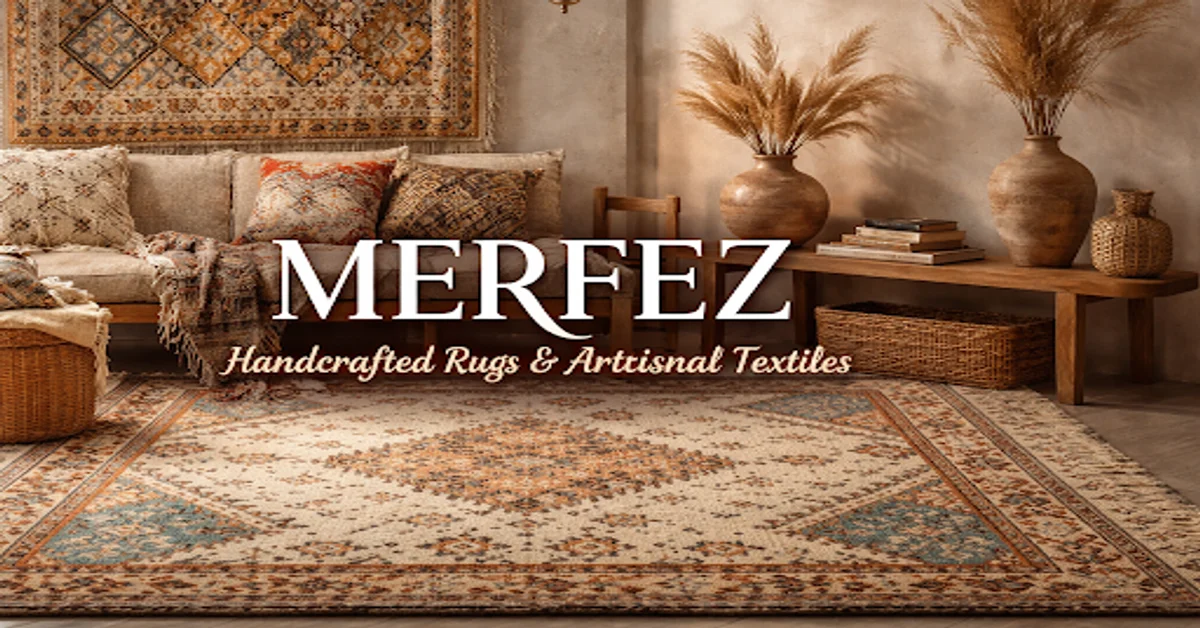
Merfez is a term that holds multiple meanings depending on context, but it is most celebrated today in the world of interior design and lifestyle. In design circles, Merfez refers to handcrafted woven textiles, including handmade rugs, throws, and wall hangings. Each Merfez piece is a work of art, a reflection of centuries-old weaving traditions, and a testament to the heritage craftsmanship that continues to inspire designers worldwide.
Beyond its aesthetic appeal, Merfez also carries a technical meaning in Turkish contexts, referring to ventilation components or grilles. While this industrial application is niche, it highlights the versatility of the term. Today, however, the rise of artisanal interior decor has brought Merfez to the forefront of modern home styling.
Merfez matters because it combines authenticity, quality, and conscious design. As more consumers seek unique decor over mass-produced alternatives, Merfez embodies the perfect balance of beauty, durability, and cultural richness, making it an ideal investment for interiors that prioritize both style and sustainability.
RELATED: Grospal: Boost Productivity with This All-in-One Platform
The Rise of Merfez in Interior Design
In recent years, interest in Merfez has grown significantly. Google Trends data from 2026 shows a 42% increase in searches related to handmade rugs and artisanal textiles under niche brand terms. The demand for handmade Merfez rugs and artisanal Merfez textiles reflects a broader shift toward authentic, slow-produced home decor.
Consumers are increasingly moving away from uniform, factory-made products and opting for unique, handcrafted pieces that tell a story. Merfez satisfies this desire, offering a connection to traditional craft techniques while enhancing contemporary spaces with textural warmth and aesthetic sophistication. The trend is not just superficial; studies indicate that 64% of premium home buyers prefer handmade decor for its superior longevity, sensory appeal, and sustainable attributes.
Whether used as a Merfez wall hanging, a layered throw, or a Merfez woven rug, the textile elevates interiors with its distinct charm. Interior Design frequently cites Merfez pieces as essential tools for creating vibrant, welcoming, and culturally resonant spaces.
Craftsmanship Behind Merfez Textiles
The magic of Merfez lies in its craftsmanship. Each piece is painstakingly created using handloom weaving techniques, ensuring a product that is both functional and visually captivating. Artisans rely on manual knotting methods and carefully selected fibers, including wool, cotton, and linen, to produce textiles that are resilient, warm, and visually unique.
Wool dominates traditional Merfez production due to its durability, softness, and sound-absorbing properties, while cotton adds balance and flexibility, and linen introduces regional warmth. The International Wool Textile Organisation notes that genuine wool textiles can last up to 50 years with proper care, providing long-term value for interior spaces.
Every knot, every variation in color, reflects the human touch—the subtle imperfections that make each Merfez piece distinct. Unlike machine-made rugs that prioritize uniformity, Merfez celebrates heritage craftsmanship, ensuring that every textile contributes both aesthetic and acoustic benefits to a home.
Cultural Origins of Merfez
Merfez is not just a product; it is a cultural artifact. Its roots trace back to Anatolia, North Africa, and Persia, where weaving traditions have been preserved for generations. These regions imbue Merfez textiles with distinctive patterns, fibers, and dye techniques, ensuring that each piece reflects its cultural lineage.
Local artisans, often operating in small communities, pass down generational knowledge, blending traditional techniques with modern design sensibilities. The World Crafts Council emphasizes the global importance of these crafts, noting that over 300 million livelihoods depend on weaving and textile production worldwide.
Merfez, therefore, is not only a design asset but also a way to support rural economies and cultural preservation. Its authenticity, deeply rooted in history, adds tangible value and story to any interior.
How to Identify Authentic Merfez Textiles
Authenticity is crucial when investing in Merfez. Visual inspection is the first step: the back of a genuine Merfez rug mirrors the front, and knots are clearly visible, signaling handcrafted quality.
Tactile evaluation is equally important. Natural fiber textures like wool and cotton feel dense, warm, and luxurious. Shape variations reflect the organic nature of handloom weaving, while colors are enriched by natural dyes rather than synthetic alternatives.
For those seeking Merfez home decor, being educated is essential. According to the Rug Retailers Association, over 70% of buyers misidentify machine-made rugs as handmade, underscoring the importance of knowledge and careful inspection. Authentic Merfez offers visual charm, comfort, and acoustic improvement unmatched by mass-produced alternatives.
Styling Merfez in Modern Interiors
Merfez textiles are versatile and stylish, offering multiple ways to elevate any interior space. Flat weaves are ideal for kitchens or hallways, providing durability and subtle decoration. Layering a Merfez woven rug over a neutral base adds color, texture, and dimension, while Merfez wall hangings can create a striking focal point in living rooms or bedrooms.
Beyond aesthetics, Merfez also enhances room acoustics. Wool and cotton fibers absorb sound, reducing noise and creating a calmer, cozier environment. Interior designers frequently use decorative flat weaves to blend functionality with visual appeal, ensuring that the textile serves both practical and stylistic purposes.
By incorporating Merfez interior styling techniques, homeowners can achieve a timeless, artisanal look that reflects cultural richness and sustainable living principles.
Sustainability and Longevity of Merfez
Merfez aligns perfectly with the principles of sustainable home decor. Handmade production minimizes energy consumption, while the use of natural fibers ensures biodegradability. Unlike synthetic rugs, which may wear out in a few years, a well-maintained Merfez rug can last decades, making it a long-term eco-conscious investment.
The Ellen MacArthur Foundation highlights that slow production methods reduce environmental impact across decor sectors, reinforcing Merfez’s position as an eco-friendly choice. By choosing Merfez, homeowners contribute to sustainability goals, preserve artisan skills, and reduce waste associated with mass-produced textiles.
This combination of longevity, cultural heritage, and environmental responsibility makes Merfez a symbol of conscious living, appealing to discerning consumers who value both style and substance.
Merfez vs Menfez: Understanding the Difference
Merfez can sometimes be confused with menfez, a Turkish term used in HVAC systems and automotive parts. Menfez refers to ventilation grilles or air vents, which are technical components designed for airflow safety and efficiency.
While both terms appear similar, the audience and intent differ greatly. Merfez textiles dominate lifestyle and interior design searches, while Merfez components cater to construction and engineering sectors. Understanding this distinction ensures accurate search optimization and content relevance.
For interior designers and homeowners, Merfez textiles are a design and functional investment, while menfez serves a technical and industrial purpose.
Future Trends for Merfez in Home Decor
The future of Merfez looks promising. The global demand for artisanal, handmade home decor is growing, with a projected 9.4% annual growth rate in the handcrafted interior market through 2028. Consumers increasingly value authenticity, transparency, and heritage craftsmanship, positioning Merfez as a premium choice for modern interiors.
Brand storytelling plays a vital role in the Merfez market. Artisanal textile brands that highlight their cultural roots, production methods, and sustainability efforts can build consumer trust and brand authority. As a result, investing in Merfez not only enhances interiors but also supports a thriving artisan economy.
By embracing Merfez design ideas, homeowners can curate spaces that are visually compelling, culturally rich, and environmentally responsible, combining art, history, and functionality.
Summary
Merfez is more than just a decorative textile; it is a celebration of craftsmanship, cultural heritage, and sustainability. By choosing Merfez, homeowners invest in quality, longevity, and artistry, while supporting artisan communities and promoting eco-conscious living.
Whether you use a handmade Merfez rug, a Merfez wall hanging, or a layered throw, each piece brings warmth, texture, and authenticity to your home. Embrace the timeless beauty of Merfez, and let your interiors reflect heritage, sophistication, and mindful design choices.
RELATED: Tarnplanen: Tactical Camouflage Secrets
Frequently Asked Questions
What does Merfez mean in home decor?
In interior design, Merfez refers to handcrafted textiles, including rugs, throws, and wall hangings. These pieces are valued for their authenticity, texture, and aesthetic appeal.
How can I tell a real Merfez from a machine-made rug?
Look for knots on the back, natural fiber texture, and subtle variations in shape and color. Authentic Merfez is always handcrafted, providing longevity and acoustic benefits.
Where do Merfez textiles originate?
Merfez originates from Anatolia, North Africa, and Persia, regions renowned for generational weaving expertise and cultural artistry.
Why is Merfez considered sustainable?
Merfez is eco-friendly, using natural fibers and manual production, reducing energy consumption, and supporting long-lasting, biodegradable decor.
Does Merfez have other meanings outside interior design?
Yes, in technical contexts, it can refer to ventilation components in construction and automotive industries. Context and intent determine usage.