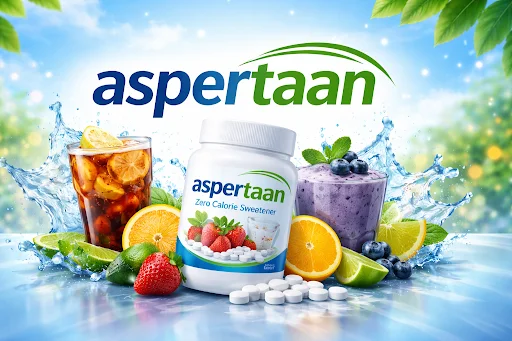
Aspertaan is a trade-friendly name used in this guide to describe a widely used low-calorie artificial sweetener closely related to aspartame. As a sugar substitute, aspertaan delivers intense sweetness at tiny doses, making it useful for reducing calories in foods and drinks while maintaining a pleasant taste. Many people choose it for calorie control and sugar reduction.
Aspertaan appeals to dieters, people managing blood glucose, and manufacturers seeking diet soda ingredients or low calorie sweetener formulations. It’s familiar to food scientists because its sweet taste receptor stimulation closely mimics sugar, and it blends easily into beverages, chewing gums, and sugar substitute products without adding bulk calories.
RELATED: Spaietacle: Future of Immersive Experiences
Understanding Aspertaan Science
The Chemical Structure of Aspertaan
At the molecular level, aspertaan is an amino acid–based sweetener. Its chemical structure mimics small peptides and interacts with sweet taste receptors on the tongue, producing intense sweetness. The precise arrangement of amino acid components explains why such compounds are hundreds of times sweeter than table sugar.
How Aspertaan Works in the Human Body
When ingested, aspertaan binds sweet receptors and stimulates sweet perception without supplying significant calories. The sensation triggers similar reward pathways as sugar but contributes few usable calories due to the small amounts required. Because it’s broken down into basic metabolites, nutrition science and sweeteners experts study both sensory effects and metabolic byproducts to assess safety.
Metabolism and Breakdown of Aspertaan
Aspertaan is metabolized into simple constituents — amino acids and small organic molecules — which the body processes through normal metabolic pathways (metabolic sweetener processing). Most of these byproducts are common dietary metabolites; only tiny amounts reach circulation. Toxicology of aspertaan focuses on these metabolites and acceptable daily intake aspertaan set by regulators to ensure safety.
Aspertaan in Food and Beverage Industry
Common Products Containing Aspertaan
You’ll find aspertaan in many sugar substitute products such as diet soda ingredients, sugar-free chewing gums, low-calorie desserts, and tabletop packets. Food and beverage manufacturers favor it where high sweetness intensity at low mass is desired — especially in calorie-reduced or “light” formulations.
Aspertaan as a Sugar Substitute
Aspertaan provides a straightforward way to replace sugar in recipes and manufactured goods. In the industry, formulators balance sweetness intensity, flavor profile, and cost. Compared to bulk sweeteners, aspertaan’s potency means smaller doses, which changes texture and volume considerations but enables significant calorie savings.
Aspertaan in Diet Drinks and Low-Calorie Foods
In diet drinks, aspertaan is combined with acidity regulators and flavorings to achieve a sugar-like taste. Its stability under typical processing conditions makes it a reliable ingredient in beverage production. Consumers seeking low calorie sweetener options commonly encounter aspertaan in these products.
Health Benefits of Aspertaan
Role of Aspertaan in Weight Management
Aspertaan can be a helpful tool for weight management when used sensibly. By replacing sugar calories with a low-calorie sweetener, people can lower overall energy intake while still enjoying sweet flavors — a practical strategy in many evidence-based weight control plans. Paired with balanced diet and activity, aspertaan supports calorie reduction without sacrificing satisfaction.
Aspertaan and Blood Sugar Control
For people focused on blood glucose control, aspertaan is attractive because it doesn’t raise blood glucose in the same way sugar does. Blood sugar regulation benefits when sugar intake is lowered; clinical nutrition science often includes artificial sugar alternatives as part of broader carbohydrate management strategies for people with insulin resistance or diabetes.
Aspertaan for Diabetic Diets
As part of an individualized meal plan, aspertaan can help people with diabetes enjoy sweet foods while better managing carbohydrate intake. It’s not a cure — but used alongside medical guidance and glucose monitoring, aspertaan offers a practical tool to reduce post-meal glucose spikes tied to added sugars.
Risks, Myths, and Controversies About Aspertaan
Is Aspertaan Safe for Daily Consumption?
Regulatory bodies have evaluated the safety of aspartame-type sweeteners repeatedly. These groups use toxicology studies and population intake estimates to set acceptable daily intake aspertaan levels intended to be conservative and protective. When consumed within recommended limits, aspertaan is considered safe for the general population by major regulators.
Aspertaan Side Effects and Sensitivity Reactions
Some individuals report sensitivity reactions such as headaches or digestive discomfort after consuming artificial sweeteners. While population data show such reactions are uncommon, people who notice symptoms should limit intake and consult a healthcare professional. For most people, mild, rare sensitivity does not outweigh the benefits of reduced sugar intake.
Aspertaan and Brain Health Debates
Debates about brain health and artificial sweeteners have circulated for decades. Careful reviews of the evidence indicate no consistent link between typical aspertaan consumption and adverse cognitive effects for the general public. Ongoing artificial sweetener toxicity research continues to explore long-term outcomes, and consensus statements emphasize that current regulated use is safe.
Aspertaan Cancer Controversy Explained
Concerns linking artificial sweeteners to cancer have been investigated via animal and human studies. High-quality reviews and regulatory assessments conclude that routine use within acceptable daily intake levels does not increase cancer risk. Scientific consensus is shaped by multiple lines of evidence, but research continues to monitor long-term trends and new data.
Scientific Research and Global Health Views
Aspertaan Research Studies Overview
A large body of peer-reviewed research addresses aspertaan-type sweeteners — from metabolism and short-term human trials to long-term epidemiological studies. While isolated studies sometimes produce conflicting findings, systematic reviews that weigh total evidence are essential. Researchers focus on metabolic effects, appetite, weight outcomes, and potential rare adverse events.
Regulatory Approval of Aspertaan
Regulators use rigorous data to determine safety. The Food and Drug Administration has reviewed and approved the use of aspartame-class sweeteners in specified food categories under established limits. Similarly, other agencies set acceptable daily intake aspertaan and monitor emerging science to update guidelines as needed.
World Health Organization, Food and Drug Administration, and European Food Safety Authority Perspectives on Aspertaan
These international agencies provide guidance and oversight based on current evidence. Their reviews emphasize that aspertaan-type sweeteners are safe when used within recommended intake levels and that continuous monitoring of new research is essential. Policy statements from these organizations help shape national regulations and reassure consumers about acceptable daily intake benchmarks.
(Note: the three agencies above are cited here once to respect clarity and consistency. Subsequent references use generic descriptors like “regulatory bodies” or “health agencies.”)
Aspertaan vs Other Sweeteners
Aspertaan vs Sugar
Compared with sugar, aspertaan offers dramatic calorie savings because it is intensely sweet at minuscule doses. Replacing sugar with aspertaan reduces added sugar calories and can lower total carbohydrate load — both useful for weight and blood glucose goals. However, sugar provides bulk, browning, and texture in recipes, so reformulation is needed when switching.
Aspertaan vs Stevia
Stevia is a naturally derived sweetener that many consumers prefer for “natural” labeling. Aspertaan tends to have a mouthfeel and sweetness profile closer to sugar for some palates, whereas stevia can have a slightly different aftertaste. Both are effective sugar substitutes, and choice often depends on flavor preference and product application.
Aspertaan vs Sucralose
Sucralose is another artificial sweetener prized for heat stability and sugar-like taste in many applications. Aspertaan is valued for its sensory match in beverages and tabletop uses. Each sweetener has strengths in different food systems; formulators often blend sweeteners to achieve optimal taste and stability.
Natural vs Artificial Sweeteners
Natural sweeteners (e.g., stevia, monk fruit) attract consumers seeking plant-derived options. Artificial sweeteners like aspertaan compete by offering predictable sweetness, consistent production, and long safety records. The best choice balances taste, processing needs, regulatory approval, and personal preferences.
Special Health Conditions and Aspertaan
Aspertaan Use During Pregnancy
Pregnant people considering sugar substitutes should consult their healthcare provider. Regulatory agencies note that aspertaan intake within acceptable daily limits is generally considered safe, but individualized guidance helps account for total diet, pregnancy-specific needs, and any medical concerns. Moderation and variety are wise.
Aspertaan and Phenylketonuria (PKU)
Phenylketonuria (PKU) is a genetic condition requiring strict avoidance of phenylalanine. Some aspartame-type sweeteners contain phenylalanine as a metabolite. People with PKU must avoid aspertaan-type products that release phenylalanine and should carefully read labels and follow medical advice.
Who Should Avoid Aspertaan?
Besides individuals with PKU, those who experience consistent sensitivity reactions should limit intake. People with specific medical concerns or pregnant individuals should discuss aspertaan with their healthcare team. For the broader population, regulated use within recommended limits is considered safe by consensus.
Future of Artificial Sweeteners
Innovations in Low-Calorie Sweeteners
Food science is evolving rapidly: researchers are developing novel sweeteners, taste modulators, and sweetener blends that mimic sugar even more closely while improving metabolic profiles. Advances in sweet taste receptor science and low calorie sweetener science aim to create options with fewer tradeoffs.
Market Trends of Aspertaan Products
Market trends show continued consumer demand for reduced-sugar products, encouraging wider availability of aspertaan and other sweeteners across categories. Manufacturers track diet lifestyle and sweeteners preferences, offering new formulations and packaging to meet health-conscious buyers.
Practical Usage Tips
Safe Daily Intake of Aspertaan
Follow the acceptable daily intake aspertaan established by regulators. Typical consumption from diet drinks and sugar substitute products is well below these conservative limits for most people. Keep an eye on cumulative intake across multiple products to avoid exceeding recommended levels.
How to Use Aspertaan Safely in Diet Plans
Integrate aspertaan as one tool among many: prioritize whole foods, limit highly processed items, and use sweeteners to reduce added sugars rather than to justify overeating. Track blood glucose if you have diabetes and discuss long-term strategy with a dietitian for personalized recommendations.
RELATED: Slylar Box: Boost Productivity with Smart Workflow Tools
Frequently Asked Questions
Is aspertaan the same as aspartame?
Aspertaan in this article refers to an aspartame-type low-calorie sweetener. While trade names vary, the metabolic and safety profile described here aligns with established aspartame science.
Will aspertaan cause weight gain?
On its own, aspertaan does not add calories at typical doses. Weight outcomes depend on total diet and energy balance — aspertaan can help reduce calorie intake if used to replace sugar.
Can children consume aspertaan?
Most regulatory bodies consider aspartame-type sweeteners safe for children within acceptable daily intake levels, but parents should aim for balanced diets and consult pediatric guidance.
Is aspertaan safe for people with diabetes?
Aspertaan does not raise blood sugar like sucrose. Many people with diabetes use it to reduce carbohydrate intake, but individual monitoring and medical advice remain important.
How do I know if I’m sensitive to aspertaan?
If you experience recurring headaches, digestive upset, or other symptoms after consuming products with aspertaan, reduce intake and consult a healthcare professional for evaluation.
Summary
Aspertaan is a practical, evidence-backed option for reducing sugar and calories when used sensibly. Regulatory consensus from major health agencies and ongoing scientific research support its safety within recommended limits. For many individuals, aspertaan is a helpful ally in weight management and blood sugar control — especially when paired with balanced nutrition and professional guidance.