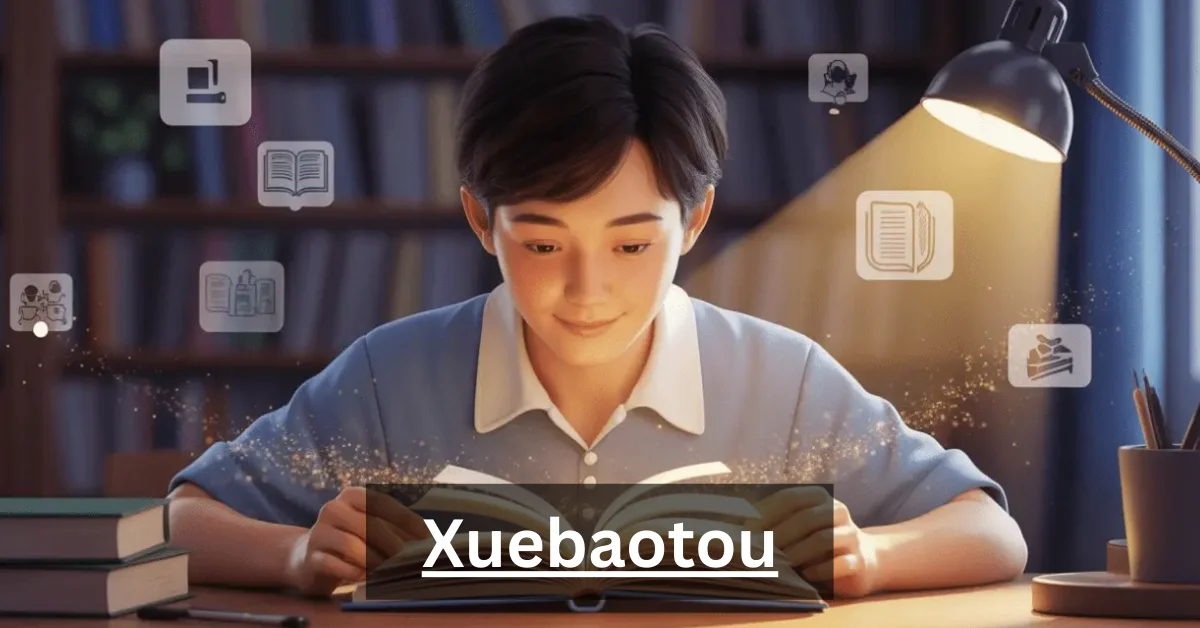
Xuebaotou blends characters for study, treasure, and head/person—meaning a cherished or leading learner. It’s affectionate and often used in online communities. Rooted in Chinese language bits—xué (study), bǎo (treasure), tóu (head/person)—it functions as both a term of admiration and an affectionate meme. In everyday speech, people use it to highlight someone who stands out for study dedication, often with a wink and an online avatar.
This term taps into two converging trends: growing online study communities and an appetite for relatable, identity-driven content. As students gather on study apps, livestreams, and forums, Xuebaotou becomes shorthand for an academic role model or digital mascot who inspires better habits. It’s short, memorable, and perfect for hashtags and study memes.
Understanding Xuebaotou helps educators, parents, and creators connect with youthful study culture. It reveals how identity, motivation, and community blend in modern learning environments—vital for building supportive educational spaces, designing EdTech features, or writing authentic content that resonates with learners.
RELATED: Banflix: Originals, Watch Parties & Offline Viewing
What Does Xuebaotou Mean? (Definition & Linguistic Breakdown)
Literal Translation of “Xue Bao Tou”
Literally, xué means “study,” bǎo means “treasure,” and tóu means “head” or “leader.” Put together, a loose translation might be “study treasure leader” — a playful phrase implying someone who’s both beloved and top of their study game. That literal sense gives the term a charming warmth rather than cold competitiveness.
Chinese Characters Explained (学 / 宝 / 头)
The character 学 signals learning and formal education, 宝 evokes value, fondness, or treasure, and 头 can mean “head” (leader), or simply a person. Together they create a composite image: a treasured learner who leads or inspires others. This linguistic mix makes the term versatile—usable as compliment, nickname, or meme.
Contextual vs. Literal Meaning
Context matters: in a praise-filled chat, Xuebaotou can be genuine admiration; in a meme thread, it’s playful, even self-mocking. The phrase’s flexibility is a strength — it can motivate (academic role model) while also lightening pressure with humor (study motivation meme).
How Xuebaotou Differs from Other Academic Terms
Unlike more formal labels that emphasize rank or score, Xuebaotou centers identity and community. It’s less about objective achievement and more about the persona—someone people enjoy following in study circles. That makes it a cultural symbol rather than a strict academic title.
The Origin and History of Xuebaotou
When Did Xuebaotou First Appear?
Xuebaotou likely emerged within online spaces—forums, short-video platforms, and study livestreams—where users create playful handles and mascots. Though not recorded in classical texts, its rise is traceable to the 2010s and 2020s with the boom of social learning apps and meme culture.
Cultural and Educational Roots
The concept draws on deep threads of Chinese Education Culture Chinese Education Culture where academic dedication is socially meaningful. Historically, scholars were respected figures; today’s digital twist keeps respect but reframes it as affectionate, peer-driven admiration rather than formal hierarchy.
Evolution from Traditional Study Culture to Internet Slang
As learning moved online, labels adapted. Terms that once lived in classrooms or cafeterias migrated to chatrooms and study streams. Xuebaotou exemplifies this evolution: a traditional admiration for study transformed into a meme-ready identity people can adopt, parody, or celebrate.
Rise of Xuebaotou in Online Communities
On study apps and forums, users create avatars and leaderboards, coining terms to describe roles. Xuebaotou found a home in this landscape—used in hashtags, avatars, and study challenges—fueling a friendly, motivational feedback loop among peers.
Xuebaotou vs. Xueba vs. Xueshen: Key Differences
What Is Xueba?
Xueba (学霸) traditionally describes top-performing students—those who earn high marks. It’s achievement-focused and often denotes rigorous study and measurable success.
What Is Xueshen?
Xueshen (学神) translates to “study god” and implies near-mythical study ability—someone who seems to master material effortlessly. It’s more extreme and reverent than xueba.
Where Does Xuebaotou Fit in the Academic Hierarchy?
Xuebaotou sits sideways to this hierarchy: it’s not strictly rank-based like xueba, nor as mythic as xueshen. Instead, it’s relational—an academic role model who embodies dedication, warmth, and community leadership. It’s about persona as much as performance.
Social Perceptions and Student Identity
In student identity culture, these labels coexist. People may wear them proudly or use them jokingly. Xuebaotou often signals approachability—someone admirable yet accessible—making it powerful for fostering collaborative learning and peer support.
Xuebaotou in Chinese Education Culture
Academic Pressure and Competitive Learning
In contexts where academic success is heavily valued, playful identities like Xuebaotou provide a soft counterbalance. They let students celebrate commitment without reducing a person to a test score. This nuance helps reduce stigma and promotes healthier study identities.
Peer Recognition and Study Group Roles
Within peer learning culture, Xuebaotou can be a label for study leaders—those who organize sessions, share tips, or cheer others on. These roles strengthen group cohesion and make collaborative learning more effective.
Study Motivation and Identity Formation
By blending admiration with friendliness, Xuebaotou can boost intrinsic motivation. Seeing peers as relatable role models makes study feel communal, not isolating—an important shift supported by motivation research and Academic Motivation Theory.
Is Xuebaotou a Compliment or a Joke?
Often both. The label floats between earnest praise and self-aware humor. That dual nature helps students handle academic stress—celebrating wins and deflecting pressure with laughter (academic burnout humor) while sustaining motivation.
Xuebaotou in Internet & Meme Culture
Xuebaotou as Online Slang
As an internet slang term, Xuebaotou thrives on shareability. It’s compact, expressive, and ideal for quick posts, comments, or captions. Its tone can be supportive, teasing, or aspirational depending on context.
Social Media Trends and Hashtags
On platforms where short-form content rules, Xuebaotou becomes a hashtag and a visual motif—avatars wearing glasses, tiny trophies, or study-night illustrations. These visuals serve as identity markers within online study communities.
Study Memes and Humor
Memes featuring Xuebaotou often blend study tips with self-deprecating humor. They create a culture where striving and smiling coexist—making long study hours feel lighter and communal.
The Role of Digital Communities
Forums, livestreams, and study apps—collectively called Online Learning Community. Online Learning Community—amplify Xuebaotou. These spaces let users adopt, remix, and pass the label, reinforcing positive study norms and social support.
Psychological Perspective: Why Students Identify as Xuebaotou
Academic Motivation Theory
Motivation research shows peer models significantly influence study habits. When a peer adopts a positive identity like Xuebaotou, it can increase others’ self-efficacy and persistence. Framing the role as attainable and fun supports long-term engagement.
Social Identity and Belonging
Belonging in a learning community matters. Xuebaotou gives students a social identity that signals both competence and approachability—encouraging students to see mastery as a shared, group-oriented journey rather than lonely competition.
The Role of Humor in Academic Stress
Humor eases stress and improves resilience. Using Xuebaotou as a meme or playful badge reduces the sting of failure and normalizes improvement. That emotional safety fosters persistence and better well-being.
Impact on Confidence and Peer Relationships
Being called Xuebaotou can boost confidence if tied to constructive feedback and mentorship. Conversely, healthy communities ensure it doesn’t become a label that isolates; rather, it becomes a bridge—encouraging mentorship and collaboration.
Xuebaotou in Digital Education & EdTech
Online Learning Platforms and Study Apps
EdTech products often use gamified elements—badges, streaks, leaderboards—that align with the Xuebaotou ethos. When apps offer social features and avatars, users create and celebrate identities, making learning more engaging.
Educational Branding and Mascot Culture
Brands and educators can harness the Xuebaotou symbol to create warm, motivating campaigns. Using mascots or study personas helps tools feel human and supportive rather than purely transactional.
The Rise of Digital Academic Personas
Students increasingly curate digital personas—avatars, handles, and study channels. Xuebaotou fits naturally as a digital persona that signals helpfulness and dedication, ideal for peer tutoring, livestream hosts, or micro-influencers.
Future of Xuebaotou in EdTech
Expect more features that support identity-driven learning: collaborative study rooms, mentor badges, and avatar-based rewards. Digital Education Tools Digital Education Tools that emphasize community will likely integrate persona mechanics inspired by Xuebaotou.
Global Perspective: Similar Concepts in Other Cultures
Western “Study Nerd” or “Academic Ace”
Western analogs—“study nerd,” “academic ace”—share themes of respect and mild teasing. But while Western terms often center on achievement, Xuebaotou carries a warmer, community-oriented tone and a visual, meme-friendly culture.
Japanese & Korean Academic Slang
East Asian cultures have their own student archetypes, often tied to diligence and group norms. Like Xuebaotou, these terms mix admiration and social expectation, showing how study personas are culturally universal yet locally flavored.
How Xuebaotou Reflects Global Student Trends
Across cultures, students seek identity and belonging in learning. Xuebaotou reflects a global movement: learners building social networks, using humor to cope, and valuing peer-led motivation as much as formal accolades.
Cultural Differences in Academic Identity
Local norms shape whether labels are aspirational or pressuring. Xuebaotou offers a model where admiration is tempered by accessibility—encouraging supportive mentorship rather than only ranking.
Is Xuebaotou Positive or Negative?
Social Interpretations
Most social uses of Xuebaotou are positive—praise, playful recognition, and community celebration. However, context matters: if used to shame or exclude, it can contribute to unhealthy comparisons.
Pros and Cons of the Label
Pros: fosters peer mentorship, increases study motivation, and humanizes achievement. Cons: can unintentionally increase pressure if communities idolize perfection. Healthy use focuses on growth and shared support.
Academic Excellence vs. Social Pressure
Balancing admiration for study with mental health is key. Communities that value effort, not just outcomes, turn Xuebaotou into a motivating symbol rather than a standard that creates stress.
Changing Perceptions Among Youth
Younger learners increasingly reinterpret labels to prioritize wellbeing. Many now use Xuebaotou to celebrate small wins, study routines, and peer encouragement rather than purely exam success.
The Future of Xuebaotou
Will It Remain Internet Slang or Become Mainstream?
The term may continue as internet slang while also seeping into mainstream education branding. Its meme-ready nature makes it adaptable—perfect for campaigns, study events, and EdTech features.
Potential in Branding & Marketing
Brands can adopt Xuebaotou themes to build trust—positioning products as friendly, community-driven, and motivational. Done respectfully, this can humanize tools and create loyal user communities.
Influence on Student Culture
As identity-driven learning grows, expect more peer leaders, micro-mentors, and study channels that use Xuebaotou as a badge of community-minded excellence.
Predictions for Digital Education Trends
When identity, community, and gamification combine, learning becomes social and joyful. Online Slang & Meme Culture Internet Slang & Meme Culture will continue to shape how students discover, share, and sustain motivation.
RELATED: Slylar Box: Boost Productivity with Smart Workflow Tools
Frequently Asked Questions
Is Xuebaotou an insult?
Typically no. It’s usually positive or playful. Context matters—used to mock or exclude, any label can sting, but most social uses are supportive.
How is Xuebaotou different from Xueba?
Xueba emphasizes top academic performance. Xuebaotou highlights persona, warmth, and approachability—less about rank, more about role and identity.
Where did the term Xuebaotou originate?
It emerged within online learning community and social media as part of modern slang tied to study culture and meme trends.
Is Xuebaotou popular on social media?
Yes—especially on platforms where study livestreams, short videos, and group challenges thrive. It’s used in hashtags, avatars, and study-group handles.
Summary
Xuebaotou is a warm, flexible label that blends admiration, humor, and community. It helps students form identities that encourage collaborative learning, study motivation, and resilience.
It encapsulates a shift: achievement celebrated within community, not in isolation. As learning becomes social and digital, identities like Xuebaotou offer positive models for peer-led growth and compassionate excellence.
Far from a fleeting meme, Xuebaotou reflects lasting changes in how students learn, connect, and motivate one another. When used with care, it champions academic dedication while honoring wellbeing—a promising sign for the future of learning.